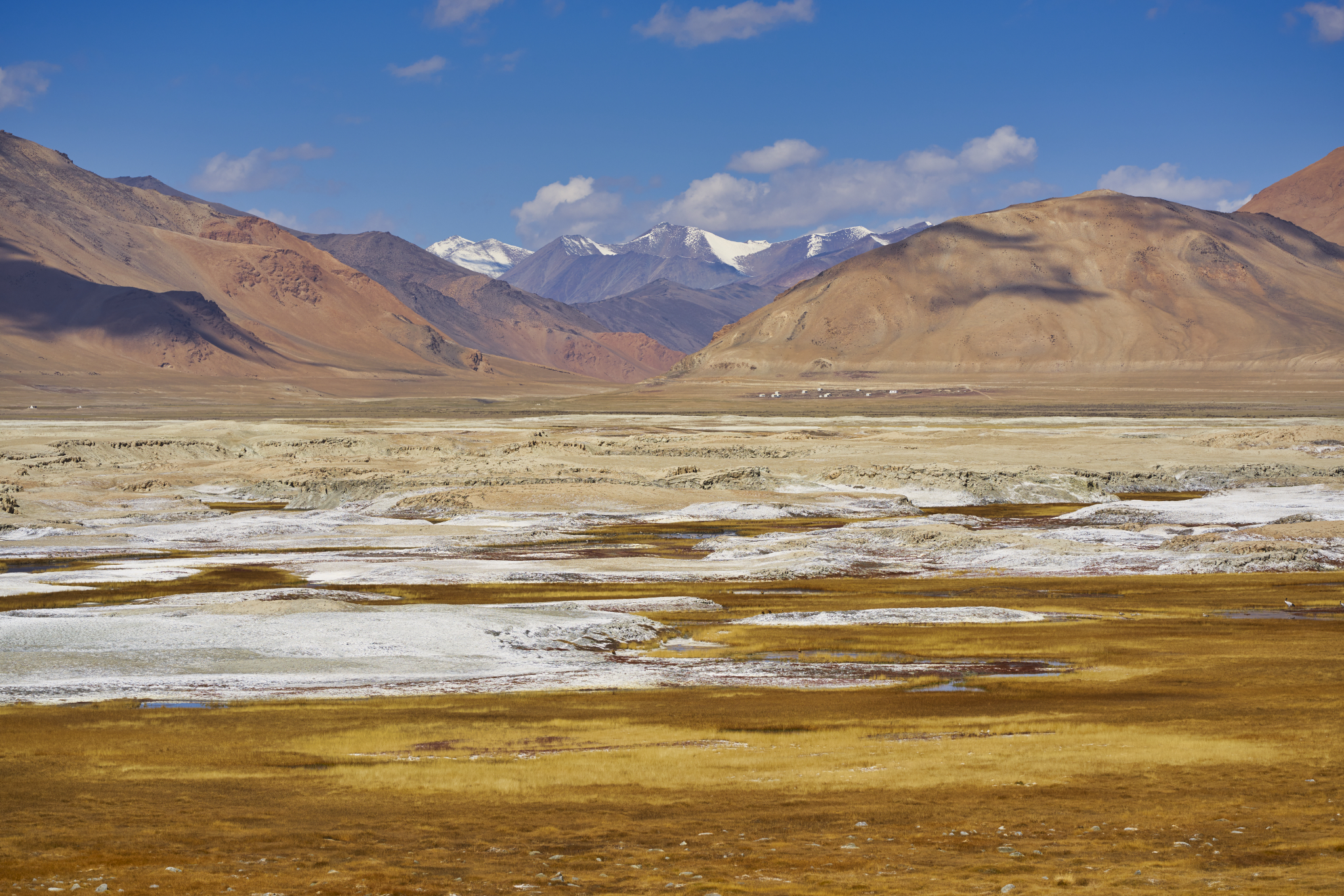
The road from Merak climbed higher. We left Pangong Tso behind, the blue receding in memory even as we drove away from it. The landscape changed. Brown and gold gave way to something starker. Mountains stripped to bone. Sky pressing down. The kind of emptiness that isn’t peaceful—just empty.
My wife and I sat quiet in the back. We were heading toward Hanle, but there was a stop along the way. A name on the map I’d seen but not understood. Rezang La.
I knew it was a war memorial. Knew something had happened there in 1962. But knowing something happened and understanding what happened are different things. The difference is distance. The difference is standing there.
The Approach
We’d switched drivers that morning. Our original driver had to leave for his village where his family lives. The replacement driver was from Jammu, knew these roads well but not the way our first driver had known them—not with the intimacy of culture, just with the familiarity of frequent passage. He talked more than our first driver had, pointing out features along the route, offering information.
But as we approached Rezang La, the words stopped. He didn’t go silent exactly. Just quiet. The way someone gets quiet when they’re driving toward something they’ve seen too many times to describe.
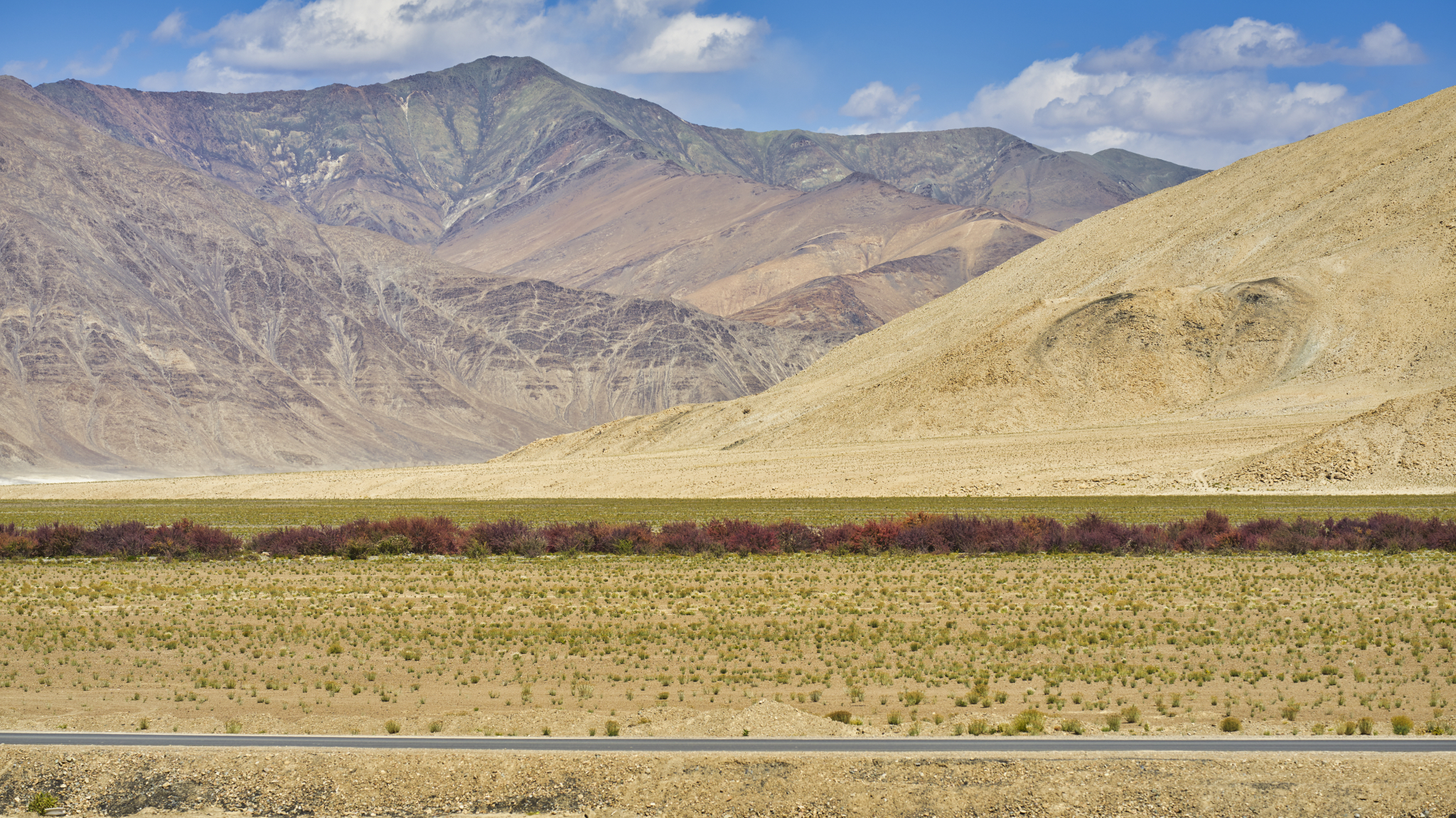
The memorial appeared gradually. Not suddenly, the way monuments sometimes announce themselves. Just a slow emergence from landscape—a structure that seemed to have been placed there with care, as if the ground itself was sacred and anything built on it had to acknowledge that fact.
What struck me first was the color. Against the layered mountains—snow-capped peaks beyond, nearer slopes in shades of brown and tan and gold where light caught the ridges—the memorial was vibrant. Pink corrugated roofs, cream and yellow walls, decorative details in red and gold. Not the somber gray stone I’d expected. This was life honoring death. Color against emptiness.
We stopped. Got out. The wind was immediate and cold. At this altitude—over 15,000 feet—cold isn’t just temperature. It’s presence. It gets inside clothes, inside skin. Makes you understand that survival here isn’t passive. It’s active. Constant.
The memorial stood against mountains that looked like they’d never been anything but what they were. The kind of peaks that make human presence feel temporary even when you’re standing on ground humans died to defend.
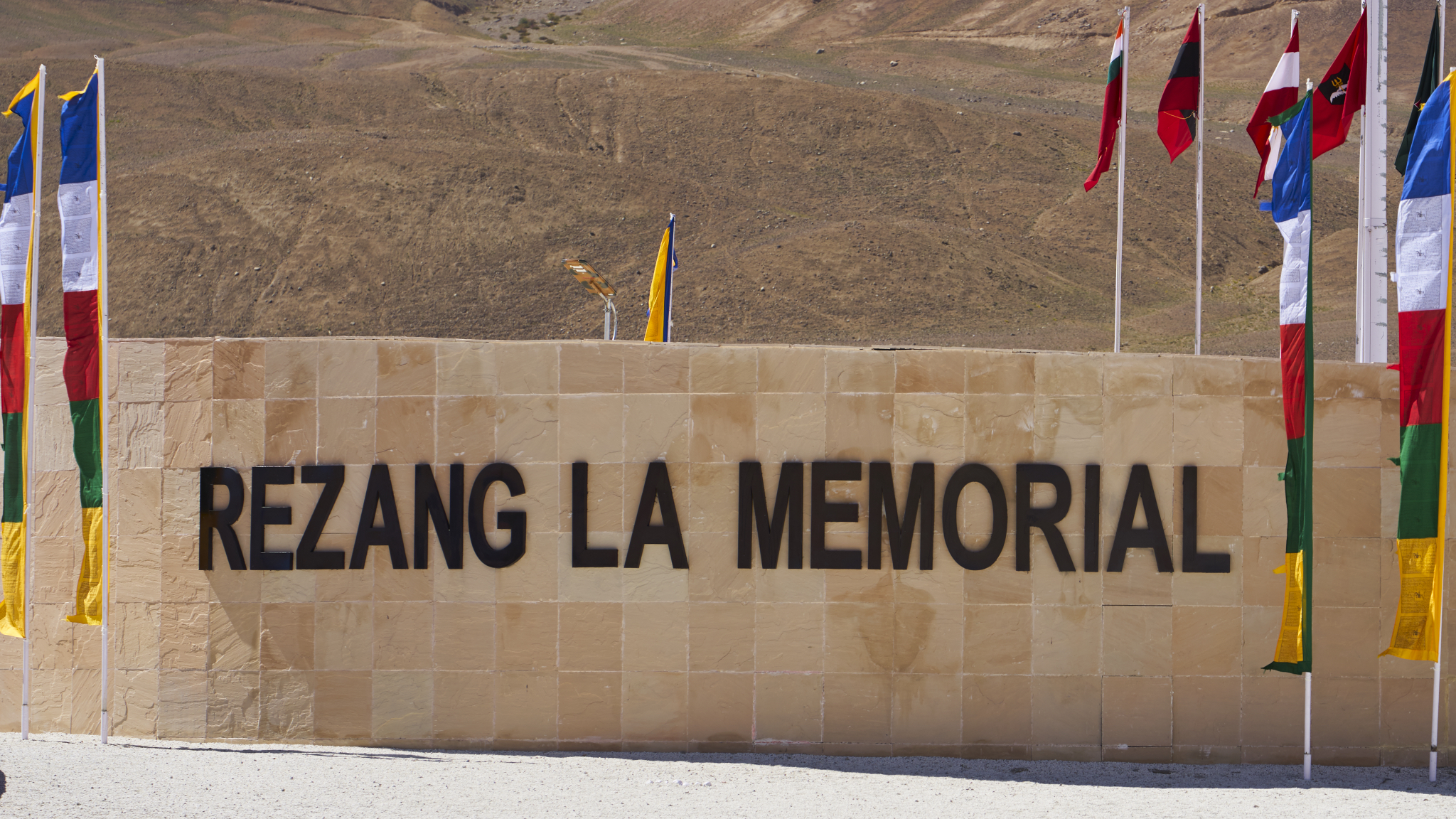
There was a plaque. Several plaques. I started reading.
November 18, 1962
One hundred and fourteen men. Thirteen outposts. A single ridge at 16,000 feet.
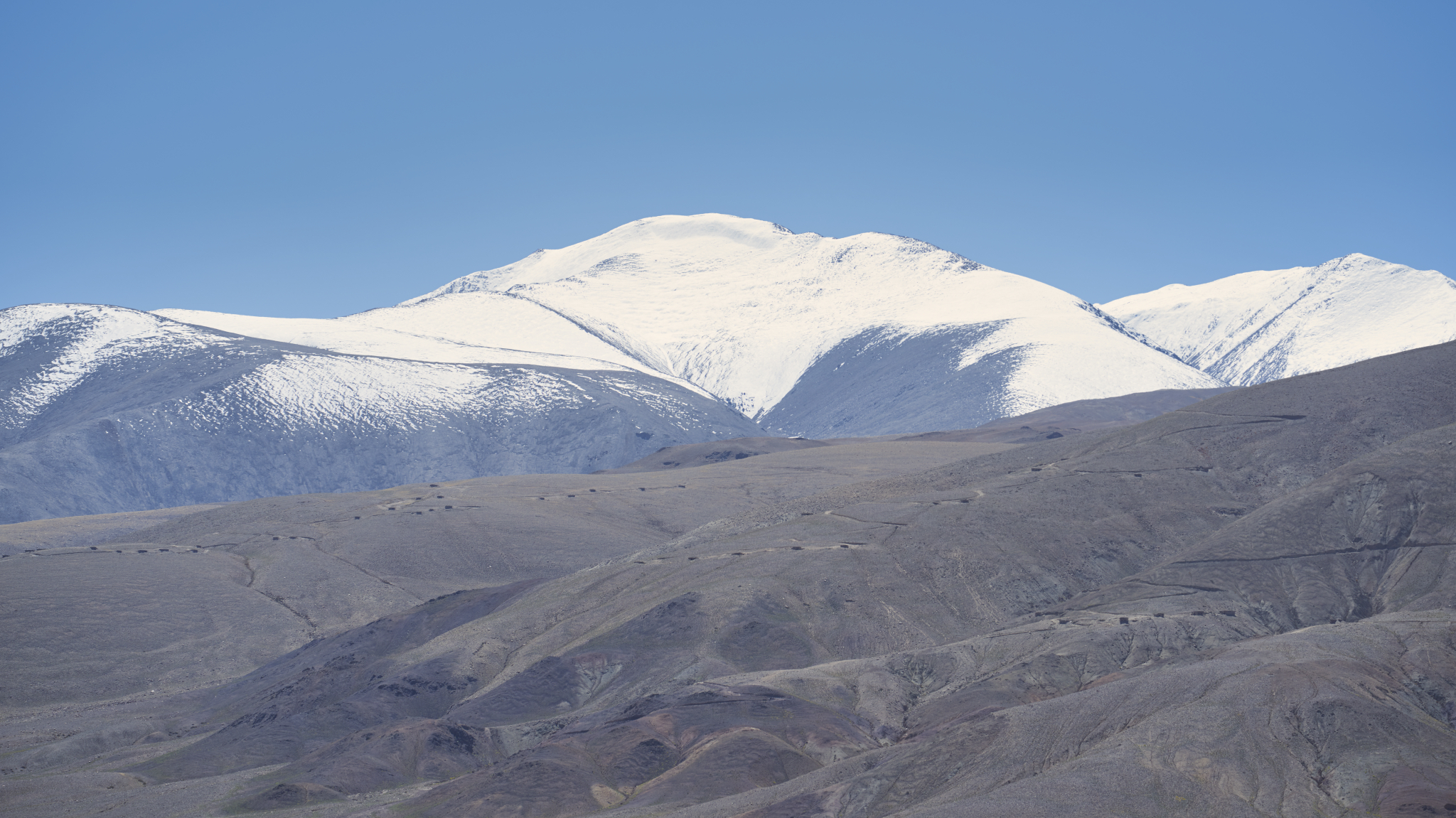
The numbers came first. Then the context. Then, slowly, the reality of what those numbers meant.
C Company, 13th Battalion, Kumaon Regiment. Commanded by Major Shaitan Singh. Positioned at Rezang La to defend the approach to Chushul, which guarded the route to Leh. The road we’d just driven. The landscape we’d just passed through.
On November 18, 1962, the Chinese attacked. Not with hundreds. With thousands. Wave after wave through the predawn darkness. Against one hundred and fourteen men in positions dug into frozen ground.
The battle lasted from 5 AM until afternoon. When it ended, one hundred and fourteen of the one hundred and twenty men were dead or dying. A handful survived—some severely wounded, some taken prisoner. Bodies and frozen ground.
Every outpost fought until it was overrun. No one retreated. No one surrendered. They held the line until there was no line left to hold. Just bodies. Just snow and blood and the kind of silence that comes after everything that can be destroyed has been destroyed.
Standing in sunshine. Warm—relatively warm—in modern clothing. Having arrived by car. Able to leave whenever I chose. I was reading about cold I couldn’t imagine, about violence I’d never witnessed, about choices I’d never been asked to make.
What the Ground Holds
An army officer met us at the entrance. Spoke quietly about what had happened here. November 18, 1962. C Company, 13 Kumaon Regiment. Major Shaitan Singh. One hundred and twenty men against thousands. The numbers came first. Then he gestured toward the galleries inside—one to the right, one to the left.
We moved through them slowly. Maps showing the thirteen positions spread across the ridge. Each position marked. Each one overrun. Photographs of the terrain before and after—the same ridge, transformed by violence.
Then the faces. Not battle photographs but portraits. Young men in uniform looking at cameras, unaware they’d become history. Some formal, stiff with the seriousness of having their picture taken. Others almost smiling, caught in a moment of ease. All impossibly young.
Major Shaitan Singh’s photograph looked out from the wall—the citation text beside it describing what he’d done. Around his image, arranged in circles, were more faces from 13 Kumaon. The Bravehearts, the display called them.
Major Shaitan Singh was awarded the Param Vir Chakra, India’s highest military honor, posthumously. He’d been wounded early in the battle—shrapnel in his leg. Refused evacuation. Stayed with his men. Moved from post to post encouraging them. Kept fighting until he couldn’t. Died there, on the ridge, with his company.
I tried to picture it. Failed. The mind resists certain kinds of understanding. Protects itself by keeping things abstract. Numbers. Dates. Facts.
We walked through the gallery slowly. Display after display. The weapons they’d used. The conditions they’d faced. The cold—always the cold. The altitude. The isolation. The impossible arithmetic of defending thirteen positions spread across a ridge against wave after wave of attackers.
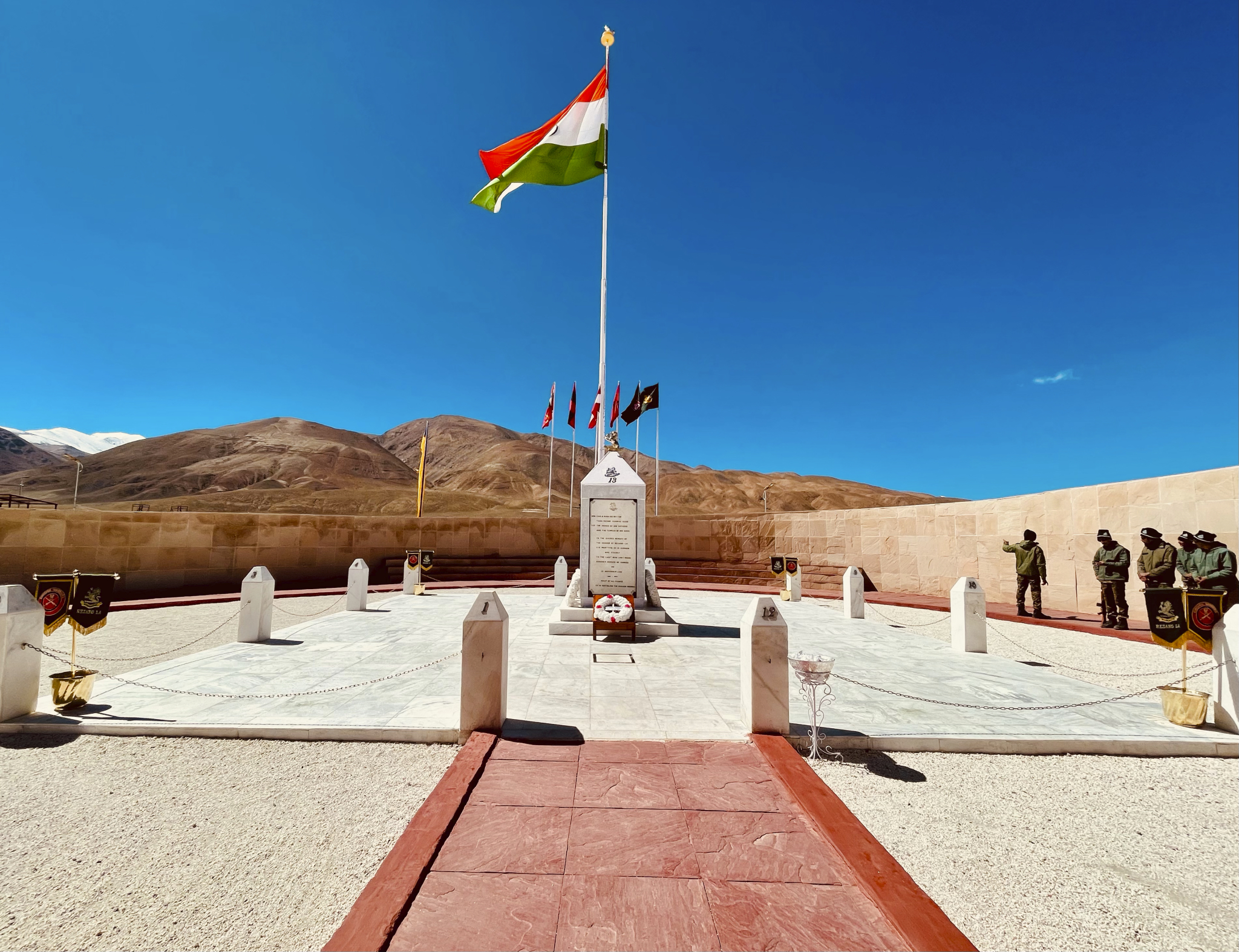
Then we walked outside, toward the white cenotaph. The central memorial stood against mountains that looked like they’d never been anything but what they were. Ancient. Indifferent. The Indian flag flew above. A pathway of terracotta stone led toward it. Beyond, the brown peaks that had witnessed everything.
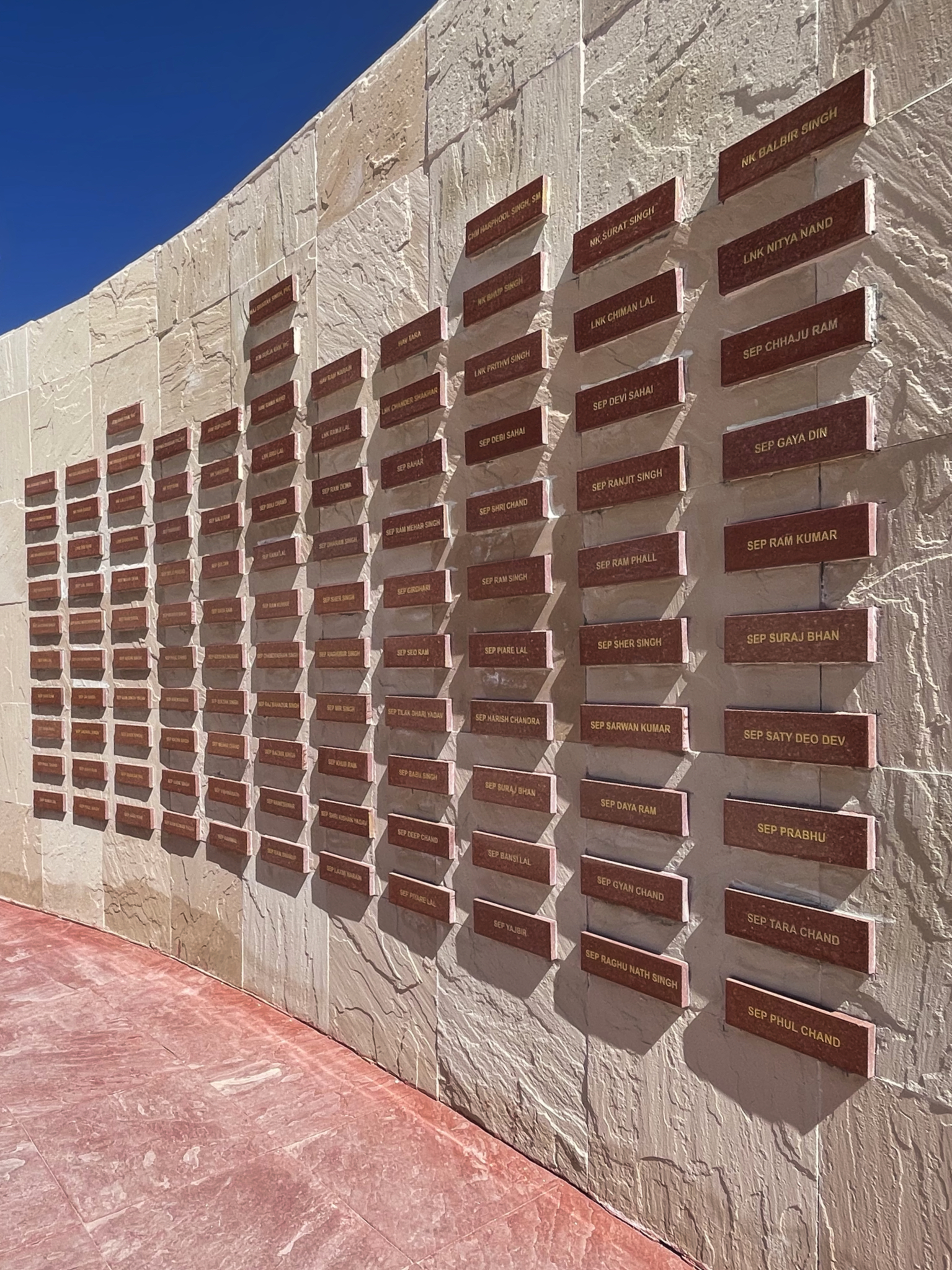
And there, facing the cenotaph, was the wall of names. All of them. All one hundred and fourteen. Row after row of dark plaques mounted on white stone, the terracotta floor extending before them. Not representatives—all of them. Every man who’d died here had his name engraved.
My wife stopped in front of the wall. I watched her stand there, silent, her pink scarf bright against the stone. Reading.
I stood beside her. Not reading—I’d already read the plaques. Just standing. The wind moved across the ridge, carrying the sound of it but nothing else. No voices. No vehicles. No explanations. Just the two of us, the names, the mountains, and the wind.
I don’t know how long we stood there. Five minutes. Fifteen. Time worked differently at that altitude. The cold made seconds feel substantial.
Then my wife’s hand found mine. We stood like that, holding the moment the way you hold something fragile.
The names continued in neat rows, each plaque a man who’d woken up that morning at 16,000 feet, probably cold, probably exhausted, probably aware that Chinese forces were massing, probably hoping the attack wouldn’t come, probably knowing it would.
But standing there, looking at the mountains beyond the cenotaph, feeling the wind, I got something else. Not understanding—I’d never understand—but recognition. Through the entrance archway behind us, the colorful memorial building. Here, the white cenotaph, Indian flag flying above, smaller flags arranged around it. The terracotta pathway. And everywhere, the mountains. Brown and indifferent and eternal. This landscape that looked so empty, so beautiful in its starkness, had been a killing ground. Men had frozen and bled and died here defending a line that existed on maps but manifested as this: wind, rock, altitude, and the awful arithmetic of combat.
One hundred and fourteen against thousands. The math was never in doubt. The outcome was never in doubt. They fought anyway.
The Weight of Artificial Lines
My wife was reading another plaque. She looked up when I approached.
“They knew,” she said quietly. “They must have known they couldn’t win.”
I nodded.
“But they stayed anyway.”
We stood there. The wind carried no answers. Just cold.
I thought about our conversation at Merak. About artificial borders. About lines drawn by governments. About how we’d been frustrated—rightfully frustrated—at not being able to see the widest part of Pangong Tso because of a border we called artificial.
And it was artificial. Still is. A line on a map agreed upon by powers and maintained by force. Not natural. Not inevitable.
But standing at Rezang La, I understood something else. Something that didn’t resolve the frustration but complicated it.
Artificial borders still demand real defense. Still require real sacrifice. The line might be arbitrary in origin, but once drawn, once disputed, once tested, it becomes concrete. It becomes ground that must be held or yielded. It becomes the place where men dig in at 16,000 feet and refuse to retreat because retreating means abandoning the defense of roads that lead to cities where people are living their lives without knowing a battle is being fought on their behalf.
Major Shaitan Singh and his men didn’t choose the border. Didn’t draw the line. Didn’t create the dispute that led to war. They inherited it. And when tested, they held it. Not because the border was natural. But because it was theirs to defend.
The Silence After
We stood there longer than I realized. The wind. The names. The mountains beyond.
There were other visitors that day—a few tourists like us, and soldiers in uniform, young men stationed at nearby posts, come to pay respects to those who’d held this ground before them. The living honoring the dead. The continuity of service made visible.
Then we walked back toward the car slowly, neither of us ready to leave but both aware that staying was just postponing departure, not preventing it.
Our driver was standing by the car, looking out at the landscape. He’d been quiet during our visit, maintaining a respectful distance. When we approached, he nodded once toward the memorial—not explanation, just acknowledgment. He drove this road regularly. Passed this memorial often. For him, this wasn’t history contained in plaques and museums. It was present. Part of the landscape he moved through. Part of what it meant to live here.
We got in the car. He started the engine. We pulled back onto the road.
In the rearview mirror, I watched the memorial shrink. Then disappear behind a curve. The landscape returned to what it had been before we stopped—brown and gold and beautiful and stark. No visible sign that this was a place where over a hundred men had died defending a position they knew was indefensible.
But it was. The ground remembered even if the landscape didn’t show it.
What Lives in Peace
The road toward Hanle continued through high-altitude desert. Mountains, valleys, more mountains. Somewhere ahead, Hanle waited with its dark skies and observatory. But I was still at Rezang La. Still reading names. Still trying to understand what it meant to be twenty-two years old, cold, exhausted, watching thousands of enemy soldiers advance through darkness, knowing the math, knowing the outcome, and choosing to fight anyway.
Not because you wanted to die. No one wants to die. But because the line had to be held. Because if not you, then who?
My wife was quiet beside me. I glanced over and saw she was looking out the window, her expression distant.
“What are you thinking?” I asked.
She didn’t answer immediately. When she did, her voice was quiet.
“That we were angry about not seeing a lake. And they died defending the road that brought us here.”
I nodded. Didn’t know what to say.
“I’m not saying we shouldn’t have been angry,” she continued. “The border is still artificial. Still limiting. But…” She trailed off.
“But it’s not abstract,” I finished.
“No. It’s not abstract.”
We drove in silence. The landscape rolled past, and I thought about what it means to live in the peace that sacrifice creates. To inherit a world where borders are maintained not just by agreements but by the willingness of some people to defend them when agreements fail.
I’m not arguing that borders are good. I’m not retracting what my wife said at Merak about artificial divisions. The Line of Actual Control is artificial. It does limit the joy of living and exploring. It does divide continuous landscapes into exclusive territories.
But Rezang La added something to my understanding. Not a contradiction—a complication. The men who died there didn’t die for an abstract principle. They died defending ground. Specific ground. This ridge. That approach. The road to Chushul, to Leh, to cities where people lived.
Both truths matter. The border is artificial and limiting. The border was defended at terrible cost. These truths don’t cancel each other out. They exist simultaneously.
The Line Between
The road eventually reached Hanle. We spent the night there, watched stars in unprecedented numbers, witnessed the kind of darkness that only exists far from cities and artificial light. It was beautiful. Spectacular. Everything we’d hoped.
But part of me was still at Rezang La. Still standing in wind, reading names, trying to understand sacrifice I’d never be asked to make.
My wife felt it too. We didn’t talk about it much—what was there to say?—but I could tell. The way she looked at the landscape. The way she was quiet at moments when she’d normally comment. She was carrying something too. The weight of understanding that our journey through this landscape was possible because someone else’s journey had ended there, in the cold, defending ground we’d driven across without thinking about it.
I don’t know what the right response is to learning about sacrifice at that scale. Gratitude seems too simple. Grief seems presumptuous—I didn’t know these men, didn’t lose them. But something like reverence, maybe. Recognition that the ordinary peace we move through—the ability to travel, to explore, to stand frustrated at borders we can’t cross—exists because other people, at other times, stood at different borders and refused to yield.
This doesn’t make borders good. Doesn’t make division natural. Doesn’t resolve the fundamental truth that my wife named at Merak: these lines are artificial, maintained by choice, limiting to human experience.
What Remains
I’m writing this weeks after visiting Rezang La. The memorial is hundreds of miles away now. But the question it raised stays with me.
What do we owe to sacrifice we inherit but didn’t ask for?
I stood at Rezang La looking for an answer. I don’t have one. Just the image of a memorial standing in wind at 15,000 feet. Just the names on plaques. Just the knowledge that on November 18, 1962, in cold I can’t imagine, one hundred and fourteen men faced thousands and refused to retreat.
They held the line. Not because it was natural. Not because it was fair. Not because the border was good or just or wisely drawn. They held it because it was theirs to hold. Because someone had to. Because if not them, then who?
The border between India and China at Rezang La is still artificial. Still disputed. Still maintained by force and agreement. My wife was right at Merak—these divisions limit human experience, prevent unrestricted exploration, keep us separated from landscapes that continuity suggests we should be able to reach.
But Rezang La reminds me that artificial lines have real consequences. That someone defends them. That the peace I move through, frustrated at borders I can’t cross, exists because other people stood at borders and wouldn’t let them be crossed the other way.
I don’t know how to reconcile these truths. Don’t know how to feel about borders that are simultaneously artificial and defended, limiting and protected, arbitrary and soaked in sacrifice.
I just know that the road from Merak to Hanle goes through Rezang La. You can’t travel from frustration at borders to the beauty of dark skies without passing through ground defended by those who died there.
From Rezang La to Hanle, the road continued through high-altitude desert. Mountains gave way to different mountains. The altitude stayed brutal. The landscape remained beautiful in its stark indifference to human presence.
But I saw it differently after Rezang La. Saw it as defended space. As territory that remained accessible because someone had fought to keep it accessible. Not abstract territory. This road. These mountains. The route we were traveling because the route had been held.
My wife reached for my hand at some point during that drive. I held it. We didn’t talk. Just sat together in the back of the car, looking out at landscape that was simultaneously beautiful and haunted, open and defended, natural and marked by human sacrifice.
The artificial borders I’d criticized at Merak were still artificial. Still limiting. Still deserving of critique and frustration. But after Rezang La, I carried something else too. The understanding that until we unmake them, someone stands at those borders. Someone defends them. Someone makes the choice that Major Shaitan Singh and his men made: to hold the line even when holding it costs everything.
The line they held is the line I live behind. The border they defended is the border I criticize. At Merak and at every line I’ll encounter—both things remain true. Both things will remain true until borders stop being borders.
We left Rezang La the way we’d arrived—by car, able to leave whenever we chose. The memorial disappeared behind a curve. By evening, we were in Hanle. By the next morning, we were moving on to somewhere else.
But the question stayed. It stays still.
What do we owe to sacrifice we inherit but didn’t ask for?
At Rezang La, they didn’t break through. One hundred and fourteen men made sure of that.
The memorial stands. The names remain engraved. The wind keeps blowing at 15,000 feet, indifferent and cold and eternal.